Our Latest News
-
 Consultation for Admissions Arrangements for 2023
15th December 2021
Consultation for Admissions Arrangements for 2023
15th December 2021
-
 Immanuel College students invited to Scout’s 25th World Jamboree in South Korea
6th December 2021
Immanuel College students invited to Scout’s 25th World Jamboree in South Korea
6th December 2021
-
Update from the Government on latest COVID-19 measures – 29th November 2021
29th November 2021
-
 Go Higher West Yorkshire promotes career diversity with Immanuel College students and Parker Hannifin Ltd
25th November 2021
Go Higher West Yorkshire promotes career diversity with Immanuel College students and Parker Hannifin Ltd
25th November 2021


Follow Immanuel on 
Immanuel College @ImmanuelBD10
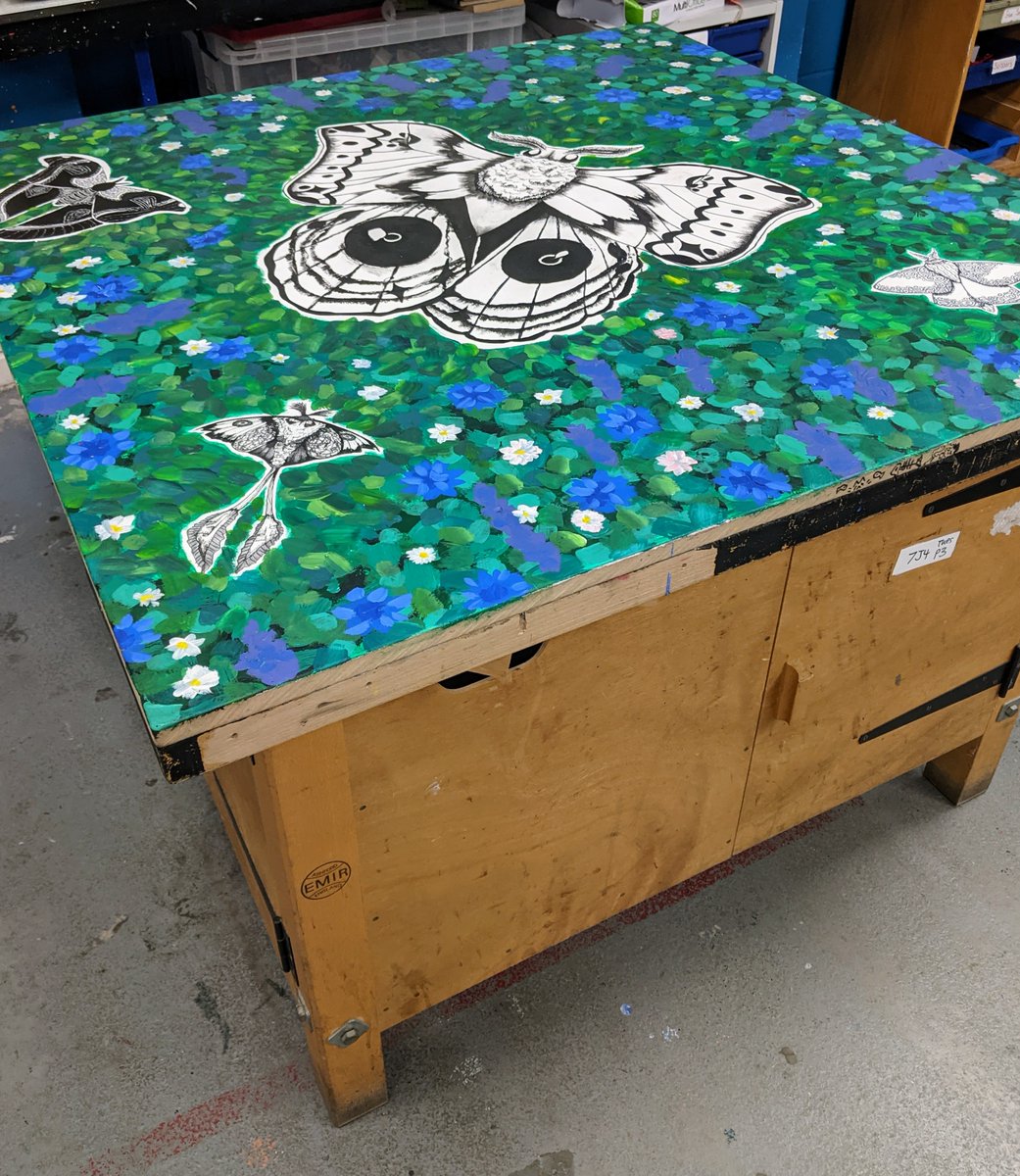
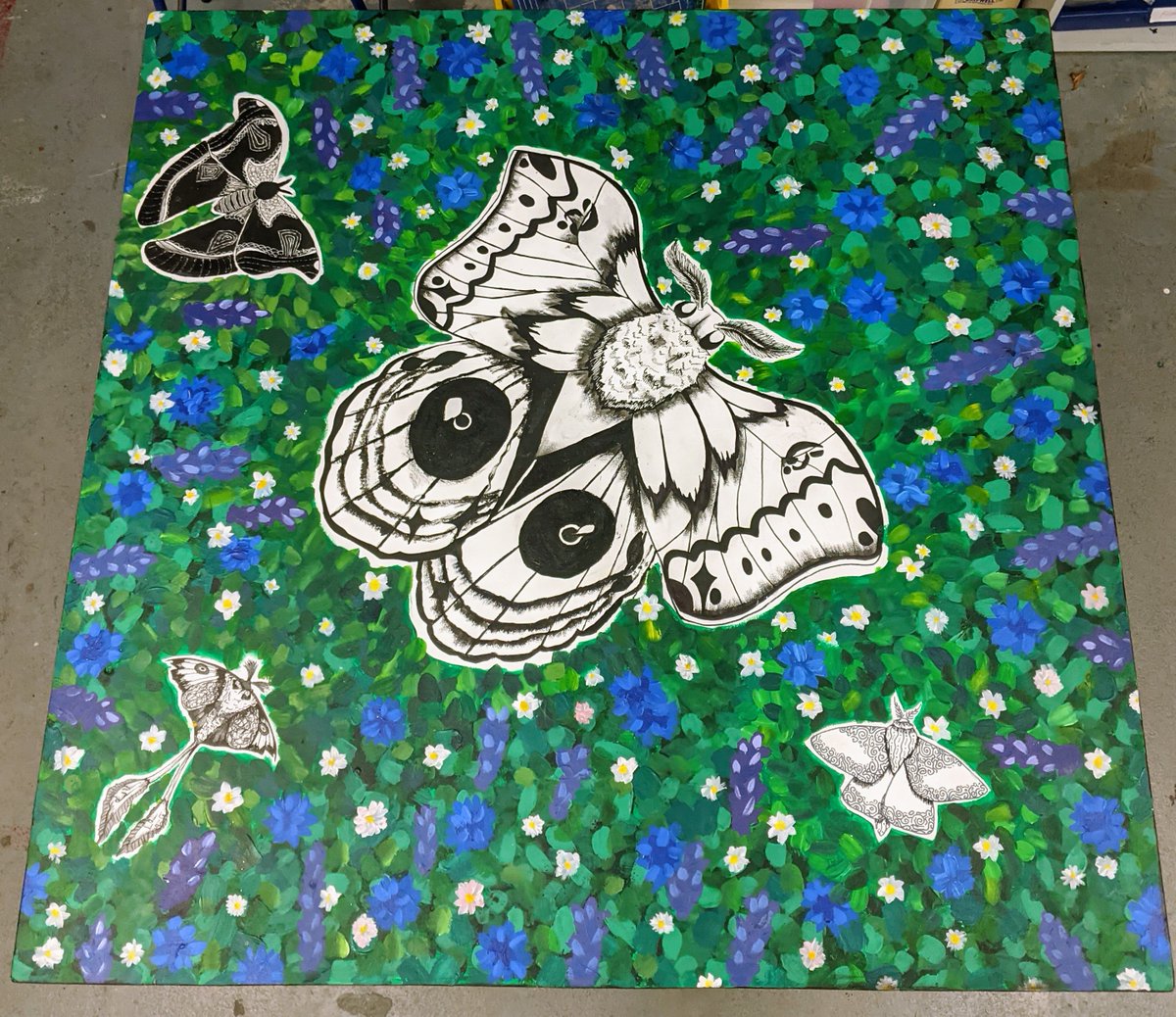
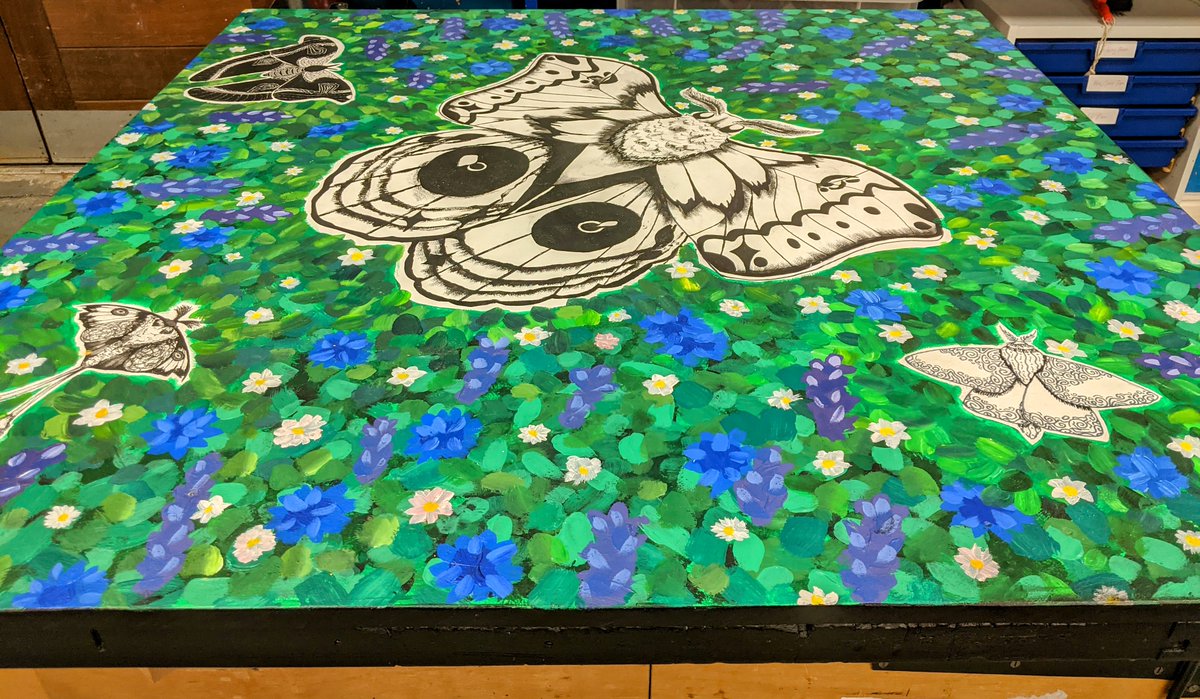
Year 10 GCSE Art students; Lottie Cowley, Megan Brown and Sofia Bonallie, took up the project of restoring and decorating an old work desk in Mr Wilson's art room.
The students designed and painted these magnificent designs! #Perseverance #Character #Hope #WeAreBDAT https://t.co/m6Edpf6Kky
Immanuel College @ImmanuelBD10
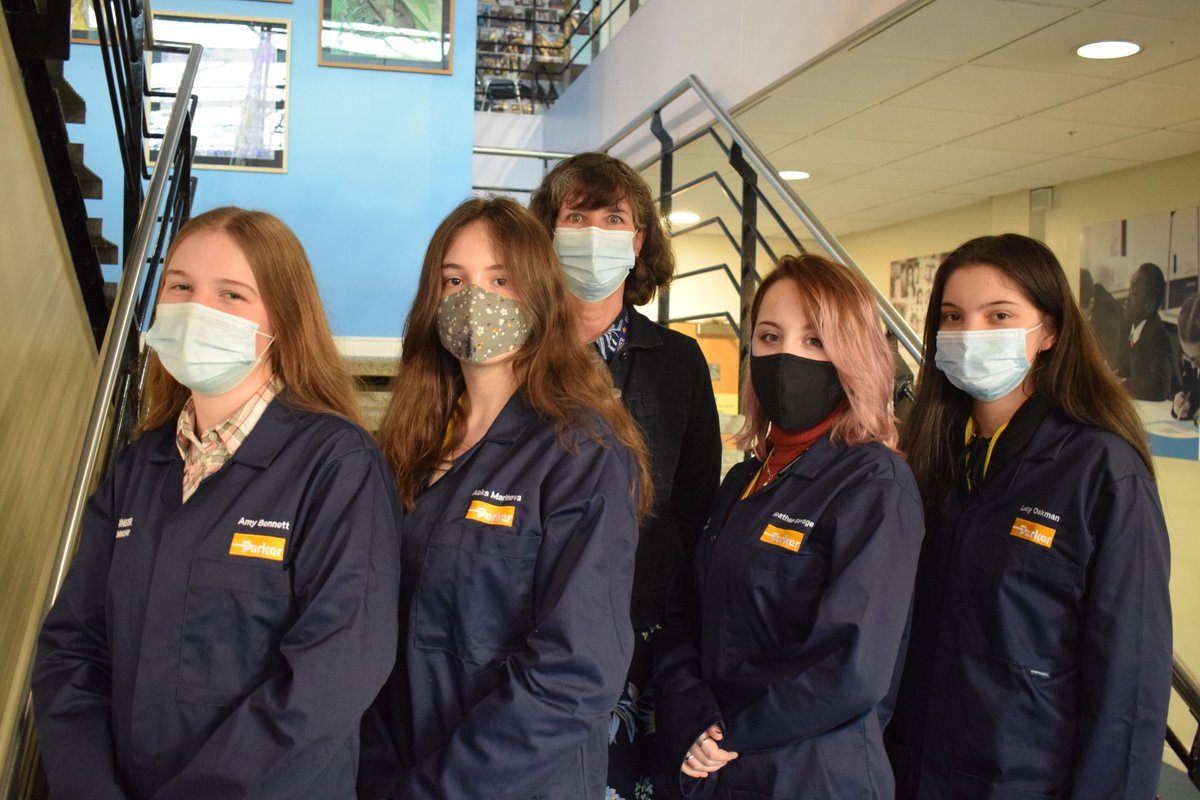
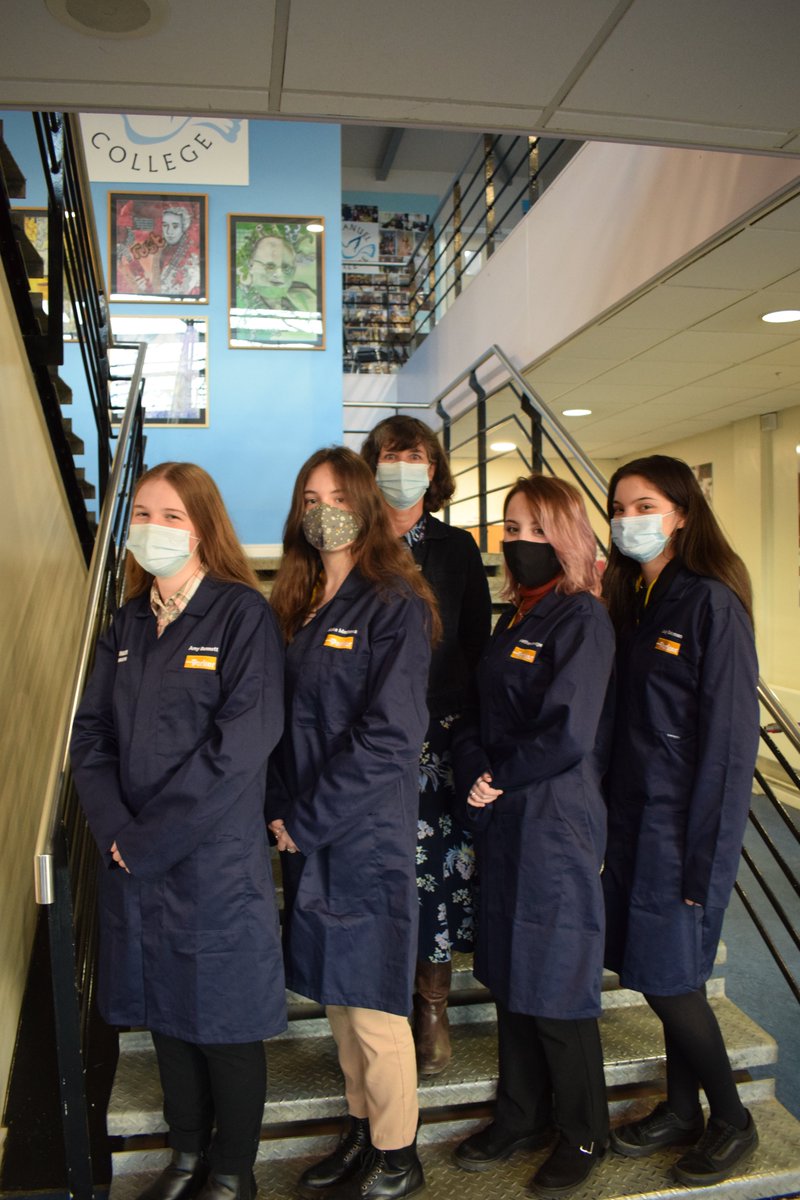
@ParkerHannifin have provided our Post 16 students with these rather special lab coats.
The students are taking part in a programme, organised by local universities and @GoHigherWY, to improve diversity in the engineering industry.
#EngineersOfTomorrow #WeAreBDAT https://t.co/xHD5wJLj6p
Immanuel College @ImmanuelBD10
Nothing better than some brisk cross country to shake off the January blues.
Here are some of our students enjoying the winter sun!
#Perseverance #Character #Hope #WeAreBDAT https://t.co/JLS1XdIYr7